Understanding Driving Documents: A Comprehensive Guide
Driving documents are vital for running an automobile lawfully and safely. They not only show a driver's identity but likewise affirm that they have actually met specific requirements developed by regional or national laws. This short article checks out various types of driving documents, their significance, and the guidelines governing them.
1. Types of Driving Documents
Driving documents can be classified into a number of types, each serving a special function. The most common driving documents include:
| Type of Document | Description |
|---|---|
| Driver's License | A government-issued card that certifies an individual's ability to run a motor automobile. |
| Learner's Permit | A limited license allowing new motorists to practice while being supervised. |
| Car Registration | A document proving that an automobile is registered with the proper local or nationwide agency. |
| Insurance Certificate | Proof that a vehicle is guaranteed, providing liability coverage in case of accidents. |
| International Driving Permit (IDP) | A document that enables individuals to drive in foreign countries, equated into numerous languages. |
| Driving Record | A record maintained by authorities that details an individual's driving history, including infractions. |
1.1 Driver's License
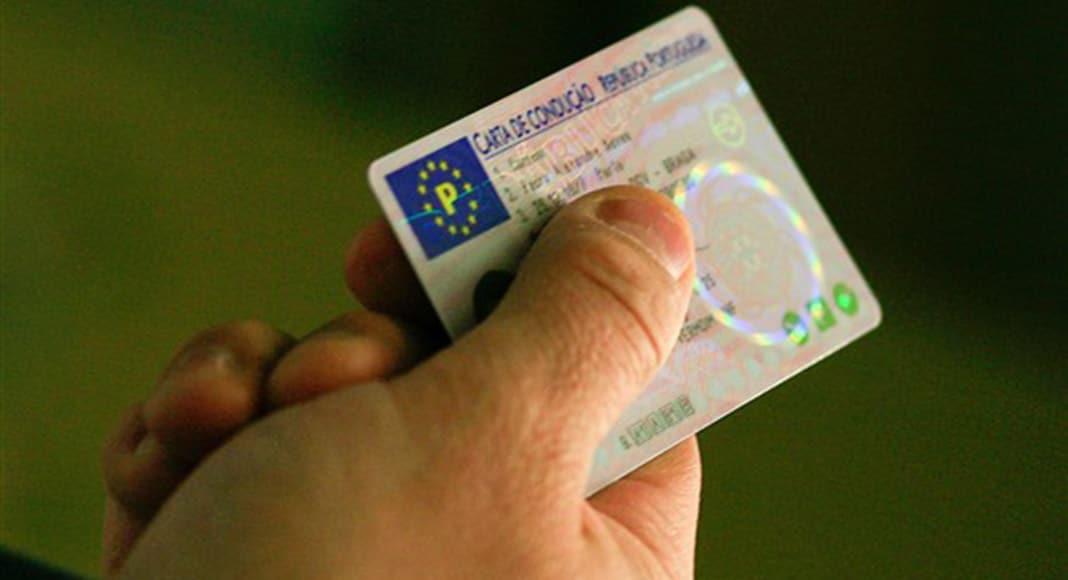
The most recognizable document worldwide of driving is the motorist's license. Legislação Carta De Condução indicates that a chauffeur has actually passed the essential tests to operate a vehicle. Normally issued by state or national companies, this document consists of individual details, including the motorist's name, picture, date of birth, and a recognition number.
1.2 Learner's Permit
Before obtaining a full driver's license, many regions need potential chauffeurs to begin with a student's authorization. This minimal license allows individuals to practice their driving abilities under the guidance of a qualified adult. The requirements to get a student's license generally include passing a written test and being of a particular age.
1.3 Vehicle Registration
Automobile registration is another important document. It functions as evidence that a car is legally signed up with the governing body. This process usually includes providing proof of ownership, completing an application type, and paying a registration cost. Registered cars are typically provided a license plate, which acts as an identifier on the road.
1.4 Insurance Certificate
An insurance coverage certificate proves that an automobile is covered by an insurance policy. This document is crucial as it safeguards the chauffeur from financial liabilities in case of accidents. Many regions need chauffeurs to bring evidence of insurance while driving.
1.5 International Driving Permit (IDP)
For individuals taking a trip abroad, an International Driving Permit enables the holder to drive in foreign nations without having to undergo additional testing. It works as a translation of your motorist's license and is frequently needed in combination with your initial license.
1.6 Driving Record
A driving record offers a comprehensive history of an individual's driving behavior and can be important for lots of functions, consisting of work chances and insurance applications. It usually includes info on traffic violations, mishaps, and any points included or removed from the chauffeur's record.
2. The Importance of Driving Documents
Driving documents are vital for different reasons, including legal, safety, and insurance-related issues. Here are some crucial points on their significance:
- Legal Compliance: Driving without the proper documents can result in major penalties, including fines and the prospective loss of driving privileges.
- Safety Assurance: These documents make sure that the chauffeur has the needed training and knowledge to browse the roadways safely.
- Insurance coverage Benefits: Proper documents is frequently needed by insurer to confirm coverage and process claims efficiently.
- Identification Purposes: In lots of jurisdictions, driving documents function as a valid type of identification.
3. Getting and Maintaining Driving Documents
The process of obtaining driving documents differs from one area to another but normally follows a comparable pattern. Here is a detailed overview:
Obtaining a Driver's License
- Research Requirements: Investigate the particular requirements in your jurisdiction, consisting of age and screening.
- Complete a Driver's Education Course: Many locations need completion of a pre-licensing or driver's education course.
- Pass Required Exams: Most jurisdictions require a written test on roadway indications and laws, followed by a useful driving test.
- Submit Necessary Documentation: Required documents might consist of recognition, proof of residence, and payment of charges.
Maintaining Driving Documents
- Keep Documents Updated: Ensure that all driving documents are current and renew them as needed.
- Keep Records Clean: Avoid traffic offenses to maintain a clean driving record.
- Research Study Insurance Needs Annually: Review and update insurance policies routinely to ensure sufficient coverage.
4. Regularly Asked Questions (FAQs)
Q1: How frequently do I need to renew my driving license?
The renewal frequency varies by state or nation. Usually, licenses should be restored every 4 to 10 years.
Q2: What should I do if I lose my driving documents?
If driving documents are lost, report the loss to the relevant authorities instantly and follow the procedures for replacement.
Q3: Can I drive in another country with my domestic driving license?
In most cases, a domestic driving license is not adequate. It's advised to acquire an International Driving Permit (IDP) before traveling.
Q4: What occurs if I get captured driving without a valid license?
Driving without a valid license can lead to fines, points on your record, and even legal action depending upon the scenarios.
Driving documents are more than just notepads; they represent the legal, personal, and safety-oriented obligations that accompany running an automobile. Understanding the types of documents required and preserving them is vital for any motorist. By being notified about these documents, drivers can make sure a more secure and more seamless experience on the roadway.